Artificial intelligence has made video creation faster than ever. In just a few years, creators have gone from spending days editing footage to generating scenes, voiceovers, and animations with a simple text prompt.
Today, there is no shortage of AI video tools. Runway can generate cinematic shots from text. Kling has become known for realistic motion and character animation. Pika makes it easy to create short-form visual content. Synthesia and HeyGen allow businesses to generate presenter-led videos without cameras, studios, or actors.
At first glance, it seems like the AI video problem has already been solved.
But ask anyone who creates videos consistently, and you'll hear a different story.
The challenge isn't generating a single clip anymore.
The challenge is building an entire video.
The AI Video Workflow Nobody Talks About
Imagine you're creating a 10-minute YouTube video.
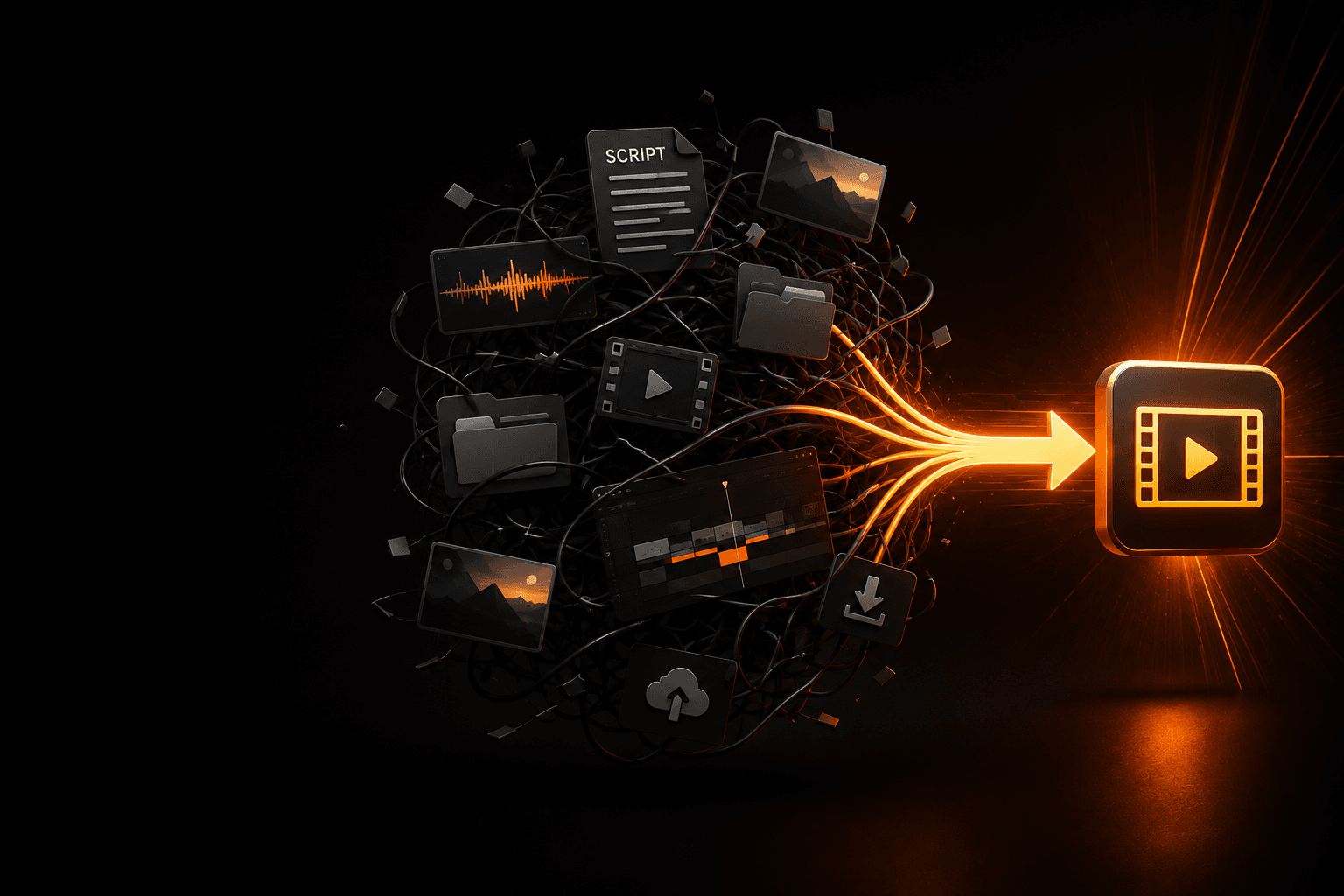
You start by using ChatGPT or another writing tool to generate a script. Next, you move to ElevenLabs or a similar platform to create a voiceover. Then you open Kling, Runway, or Pika to generate visual scenes. After generating dozens of clips, you download everything and bring it into Premiere Pro, DaVinci Resolve, or CapCut for editing.
Suddenly, what looked like a simple AI workflow has become a complicated production pipeline involving multiple subscriptions, multiple exports, and hours of manual work.
Ironically, while AI has made content creation faster, many creators now spend more time managing tools than actually creating.
This is the hidden challenge behind modern AI video production.
What Today's AI Video Platforms Do Well
To understand where the industry is heading, it's worth looking at what the leading platforms already do exceptionally well.
Runway
Runway has become one of the most recognizable names in AI video generation. Its ability to create cinematic visuals from prompts has made it popular among filmmakers, marketers, and creative professionals.
Its greatest strength is visual quality.
However, Runway was never designed to be a complete production system. Creators often need additional tools for scripting, voiceovers, scene organization, and final assembly.
Kling
Kling has attracted significant attention for its realistic motion generation and character movement.
Many creators use Kling when they need dynamic scenes that feel more natural than traditional AI-generated footage. It excels at creating visually impressive moments.
The challenge comes when those moments need to be combined into a complete story.
Pika
Pika focuses on accessibility and ease of use. It allows creators to generate clips quickly and experiment with different visual styles.
For social media content and short-form videos, it can be extremely effective.
For larger projects, creators often find themselves moving assets between multiple platforms.
Synthesia and HeyGen
These platforms have become favorites among businesses and educators.
They make it possible to generate professional presenter-style videos without cameras or actors. Training materials, onboarding videos, and presentations can be created quickly and at scale.
However, their primary focus is avatar-based content rather than complex visual storytelling.
The Real Problem Isn't Generation—It's Assembly
The AI industry has become very good at generating individual assets.
Scripts can be generated.
Voiceovers can be generated.
Images can be generated.
Video clips can be generated.
But creators still face the challenge of turning all those assets into a finished product.
This is where many workflows begin to break down.
Managing dozens of scenes, synchronizing narration, maintaining character consistency, organizing timelines, and exporting a polished final video often requires significant manual effort.
For creators producing content every week, this process can quickly become the biggest bottleneck.
A Different Approach to AI Video Creation
Rather than focusing solely on generating clips, Vimerse Studio approaches AI video production from a workflow perspective.
Instead of asking, "How do we generate another scene?" the platform asks, "How do we help creators finish an entire video?"
This difference affects nearly every part of the experience.
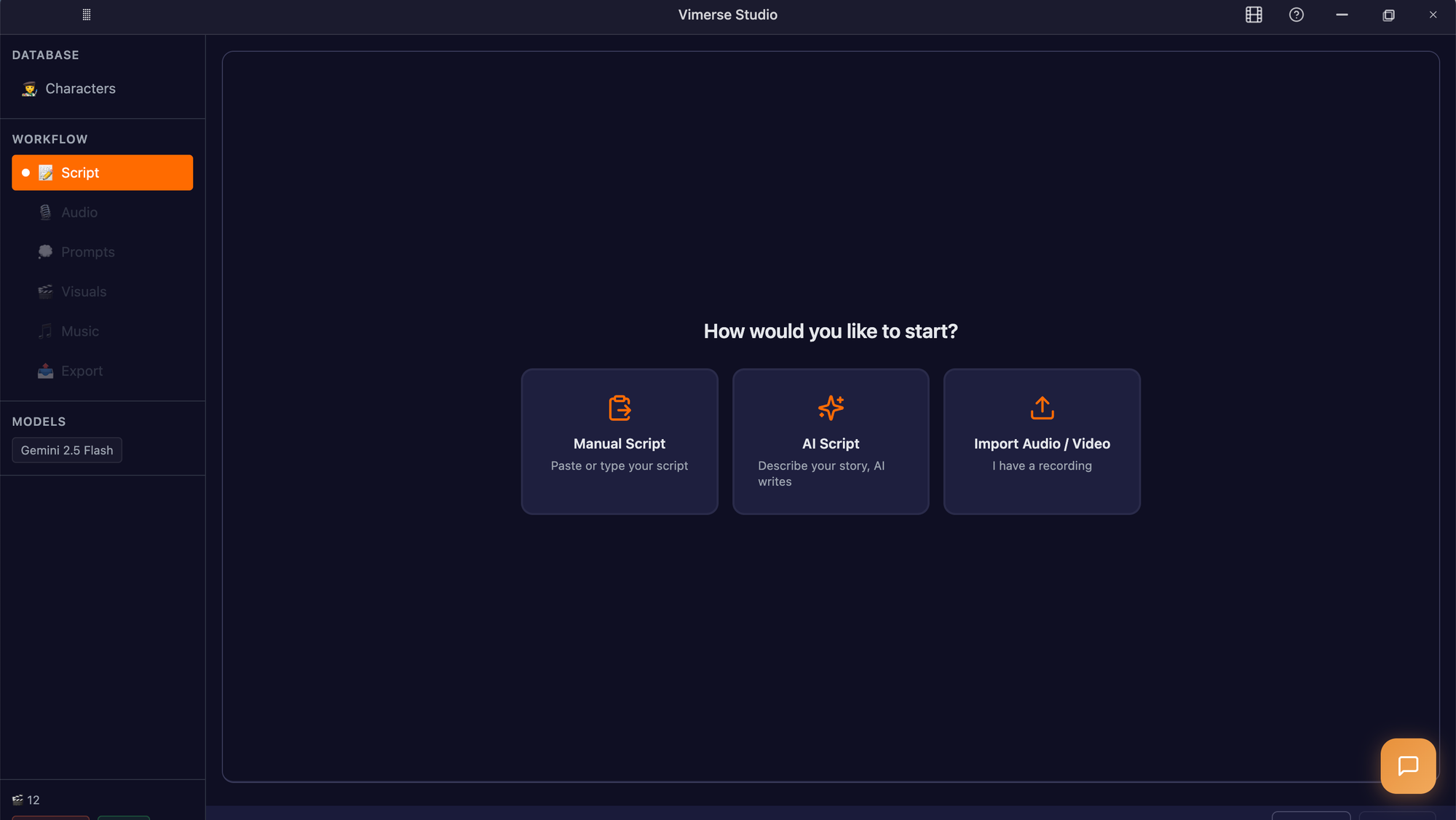
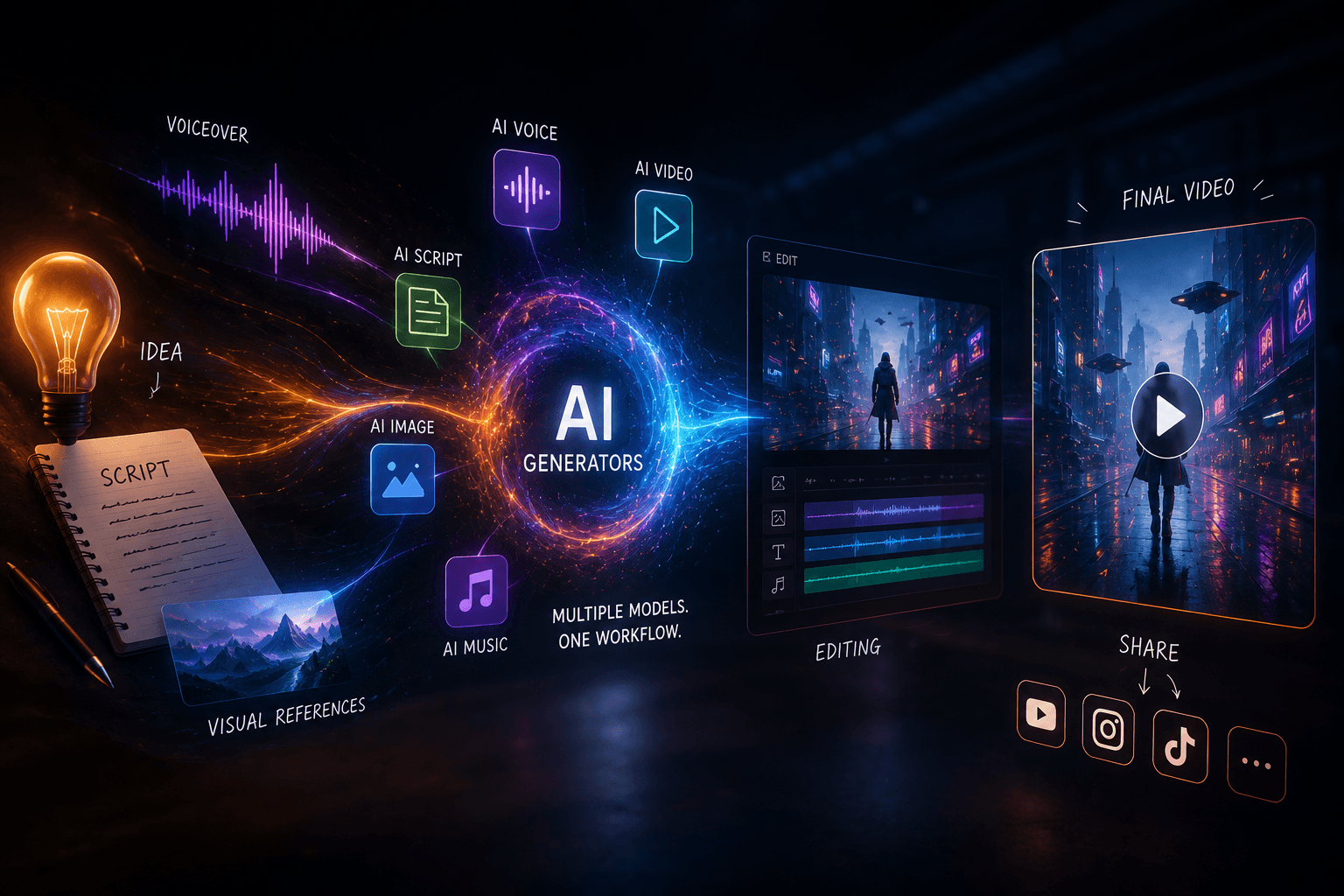
Within a single workspace, creators can move from script development to voice generation, scene creation, synchronization, rendering, and export.
The goal isn't simply to create AI content.
The goal is to create completed videos.
Built for Long-Form Storytelling
One area where many AI tools struggle is long-form content.
Creating a 15-second clip is very different from creating a 10-minute educational video, documentary, or YouTube production.
As project length increases, so does complexity.
Scenes need to remain organized.
Characters need to remain recognizable.
Narration needs to remain synchronized.
Visual pacing needs to remain consistent.
Vimerse Studio was designed with these challenges in mind.
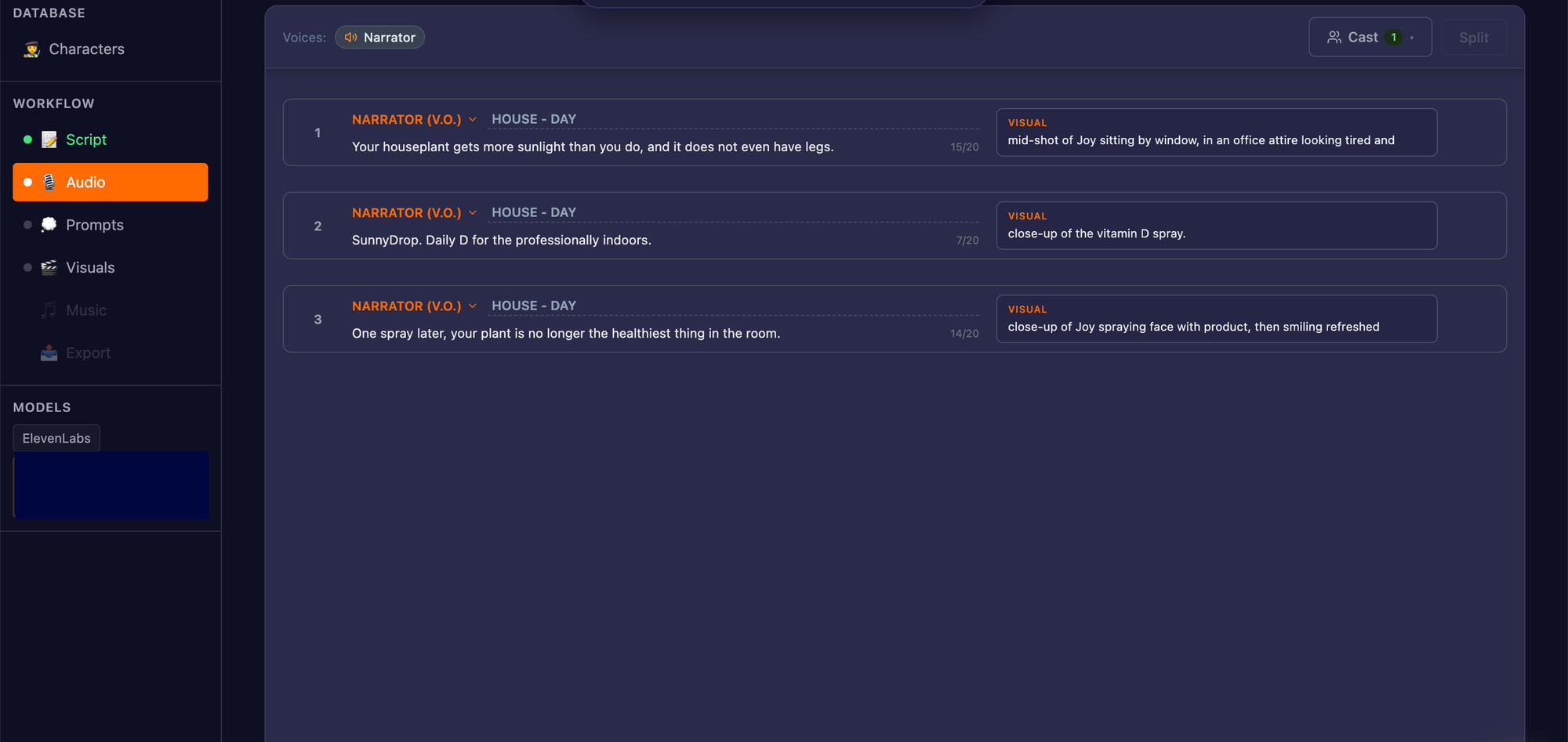
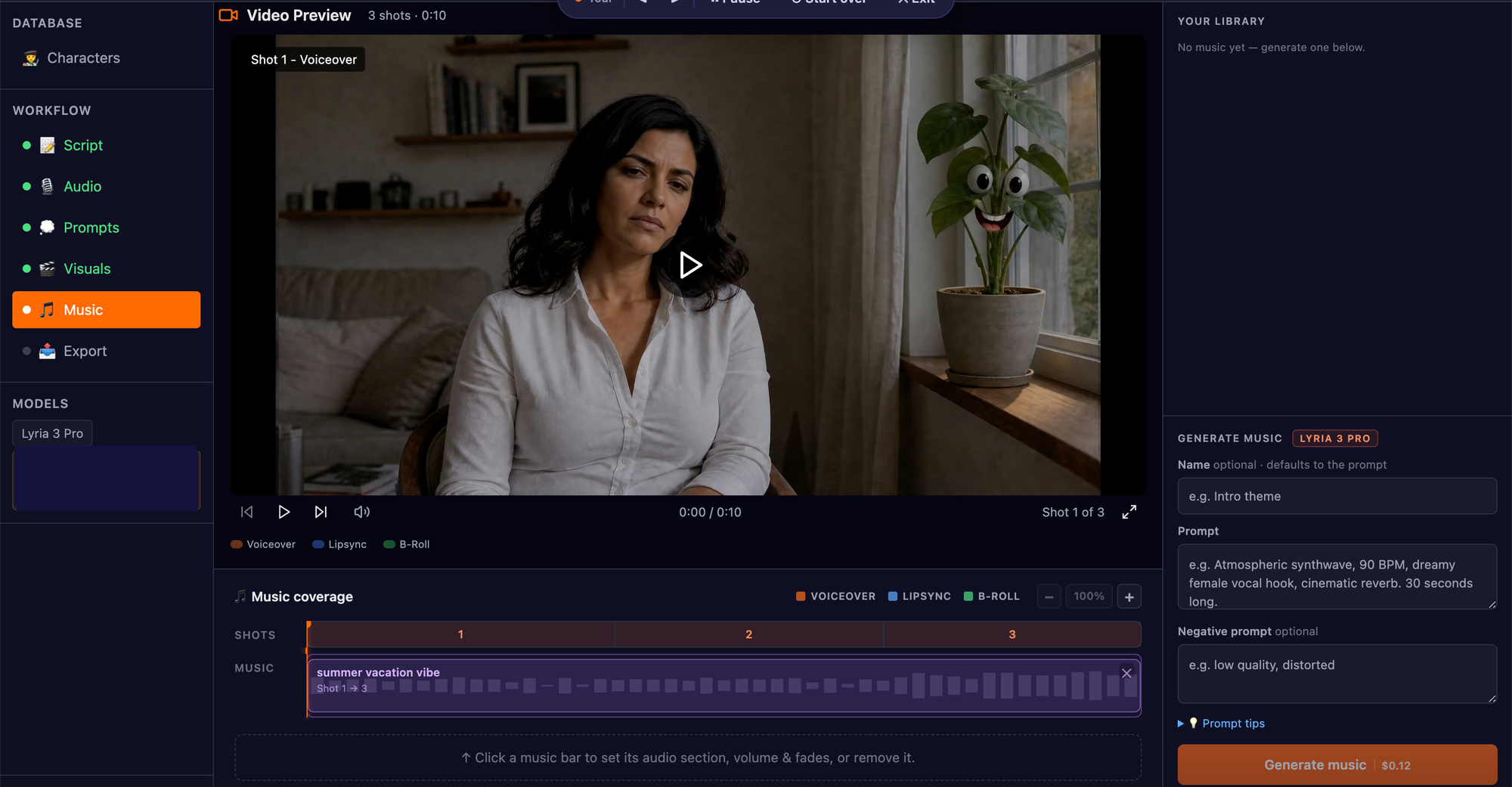
Instead of manually managing dozens of clips, creators can work through a structured production process that automatically organizes content into scenes and timelines.
Consistency Across an Entire Project
One of the most common complaints about AI-generated videos is inconsistency.
A character may look different from scene to scene.
Background environments may shift unexpectedly.
Visual styles may change throughout a project.
These issues become more noticeable as videos become longer.
Professional-quality storytelling depends on continuity.
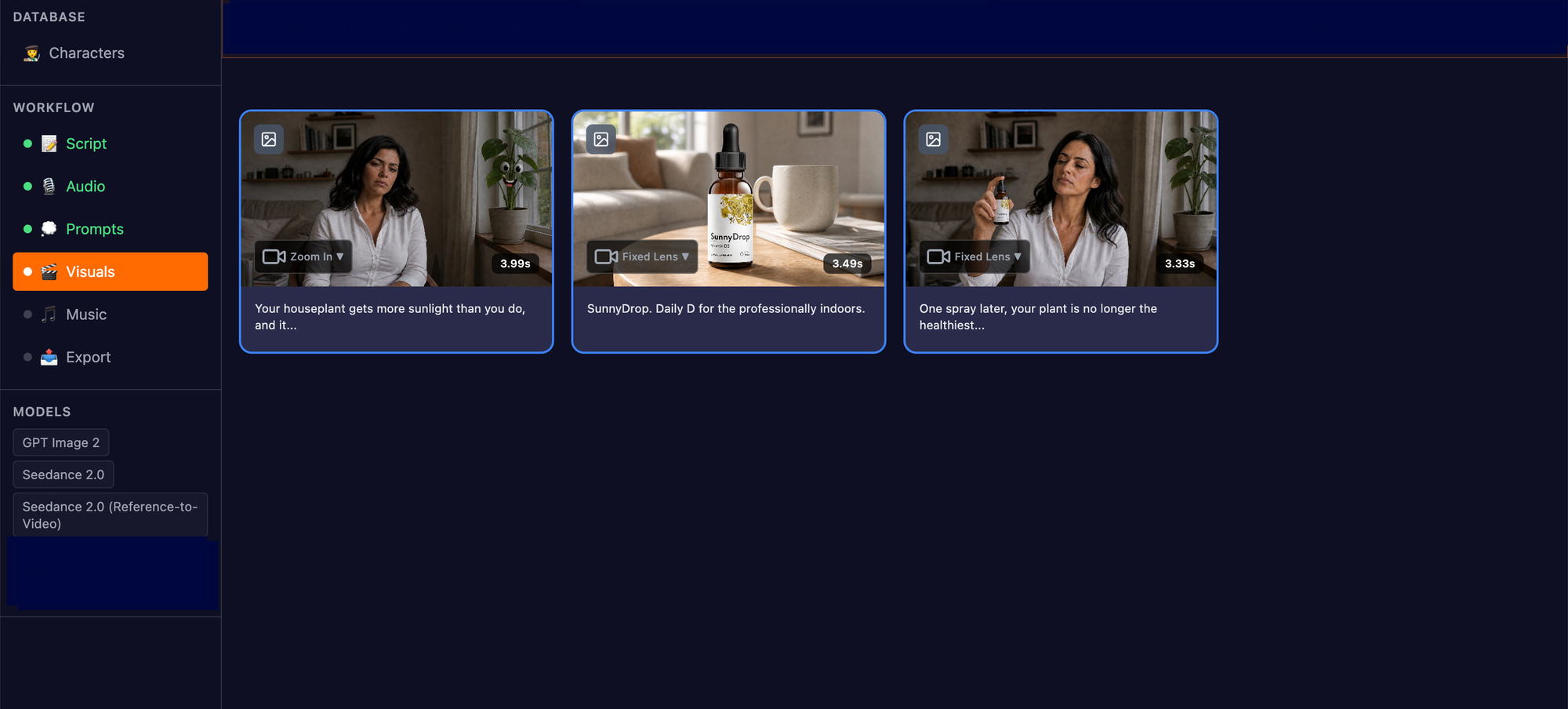
Maintaining consistent characters, environments, and visual identity throughout a project is one of the areas where workflow-focused platforms have an advantage over clip-focused generators.
Why Workflow May Matter More Than Models
The AI industry often focuses on which model is currently best.
Today's creators debate whether Kling is better than Runway, whether Veo produces more realistic motion, or whether a new model delivers better visual quality.
But these advantages are constantly changing.
The best model today may not be the best model six months from now.
What remains valuable is the workflow surrounding those models.
This is why Vimerse Studio's support for multiple AI models is particularly important. Rather than locking creators into a single generation engine, it allows them to adapt as technology evolves.
Creators gain flexibility without needing to rebuild their entire production process every time a new model appears.
The Future of AI Video Creation
The future of AI video production may not belong to the platform that generates the most impressive single clip.
It may belong to the platform that helps creators consistently produce complete videos.
As AI generation becomes increasingly commoditized, workflow, organization, synchronization, and scalability will become even more important.
The creators who succeed won't necessarily be those with access to the best generation model.
They'll be the ones who can efficiently turn ideas into finished content.
Key Takeaways
The AI video industry has made incredible progress in generating individual clips, voiceovers, and visual assets. Platforms like Runway, Kling, Pika, Synthesia, and HeyGen each solve specific parts of the content creation process.
However, many creators still face a fragmented workflow that requires multiple tools and significant manual effort.
Vimerse Studio takes a different approach by focusing on the entire production pipeline rather than a single generation task. By combining scripting, voiceovers, scene creation, synchronization, and export into one environment, it aims to simplify the process of creating complete videos.
As AI technology continues to evolve, workflow may become just as important as generation quality—and that is where platforms like Vimerse Studio have an opportunity to stand apart.
Try Vimerse Studio free: https://vimerse.app