AI video models are improving at an incredible pace. But the biggest bottleneck isn't generation anymore. It's the invisible work between every tool in the workflow.
The conversation around AI video has changed dramatically over the past two years.
Not long ago, creators debated whether AI could produce convincing visuals at all. Today, the discussion revolves around which model generates the most realistic people, the smoothest camera movements, or the most cinematic lighting.
The technology has advanced at an astonishing pace.
Yet despite faster models and better outputs, many creators still spend hours producing a single AI video.
The obvious assumption is that AI generation remains the bottleneck.
In reality, it often isn't.
The hidden cost of AI video creation isn't the rendering time. It's everything that happens before, between, and after each generation.
AI Generation Is Only One Step
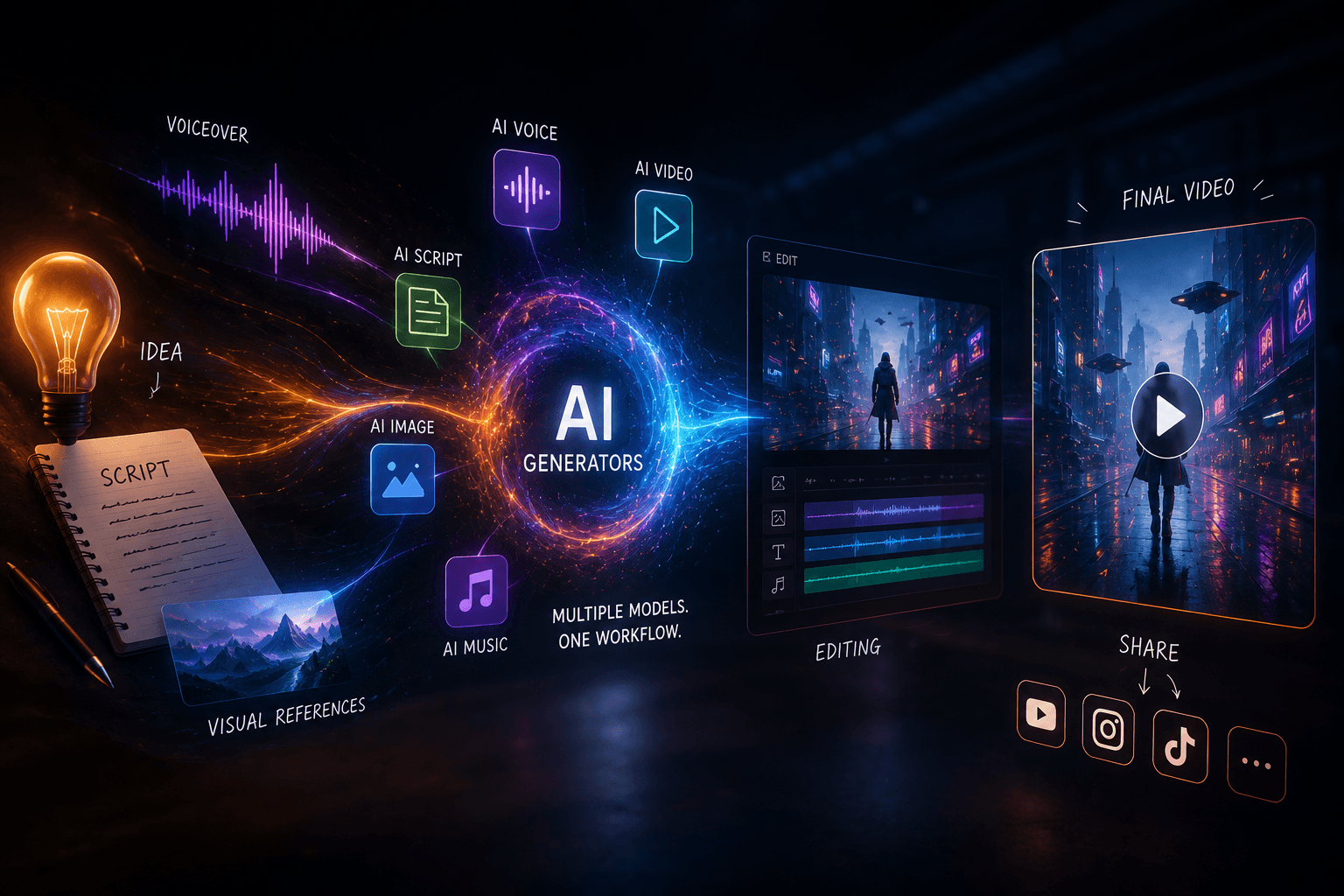
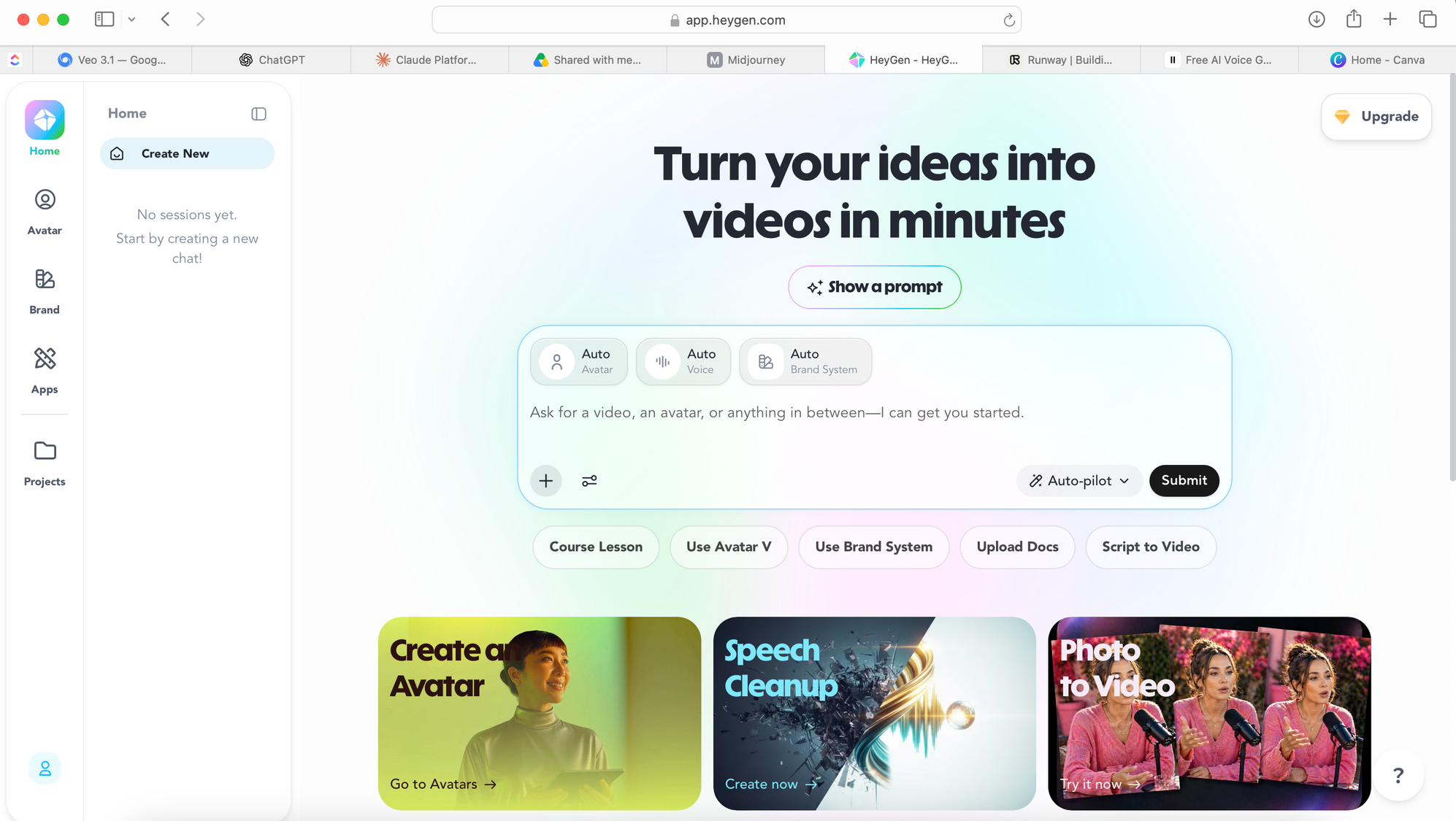
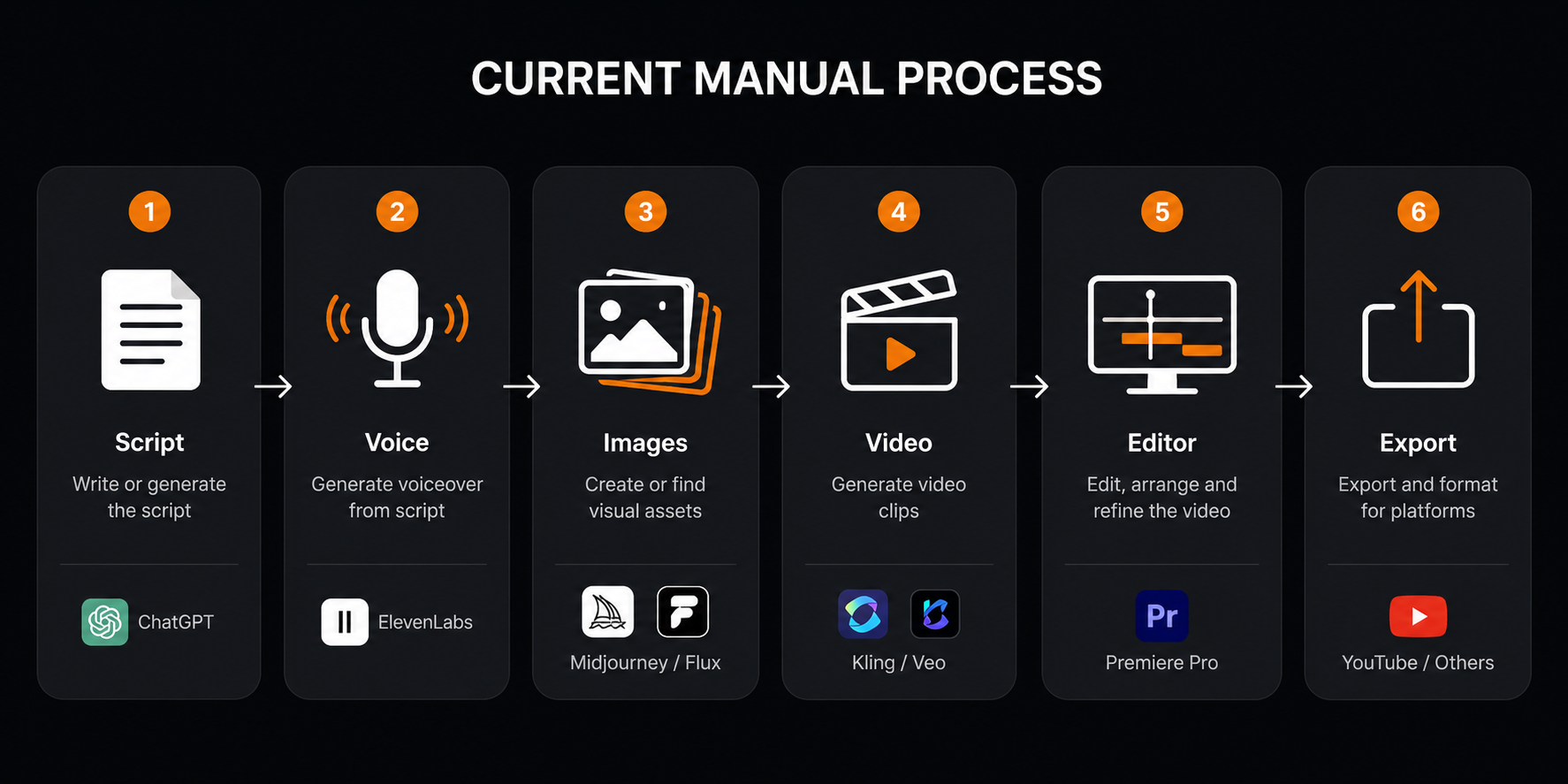
A typical AI video project isn't created inside a single platform.
Instead, it moves through a chain of specialized tools.
A script is written in one application.
Voiceover is generated in another.
Images are created elsewhere.
Those images become video clips in a separate model.
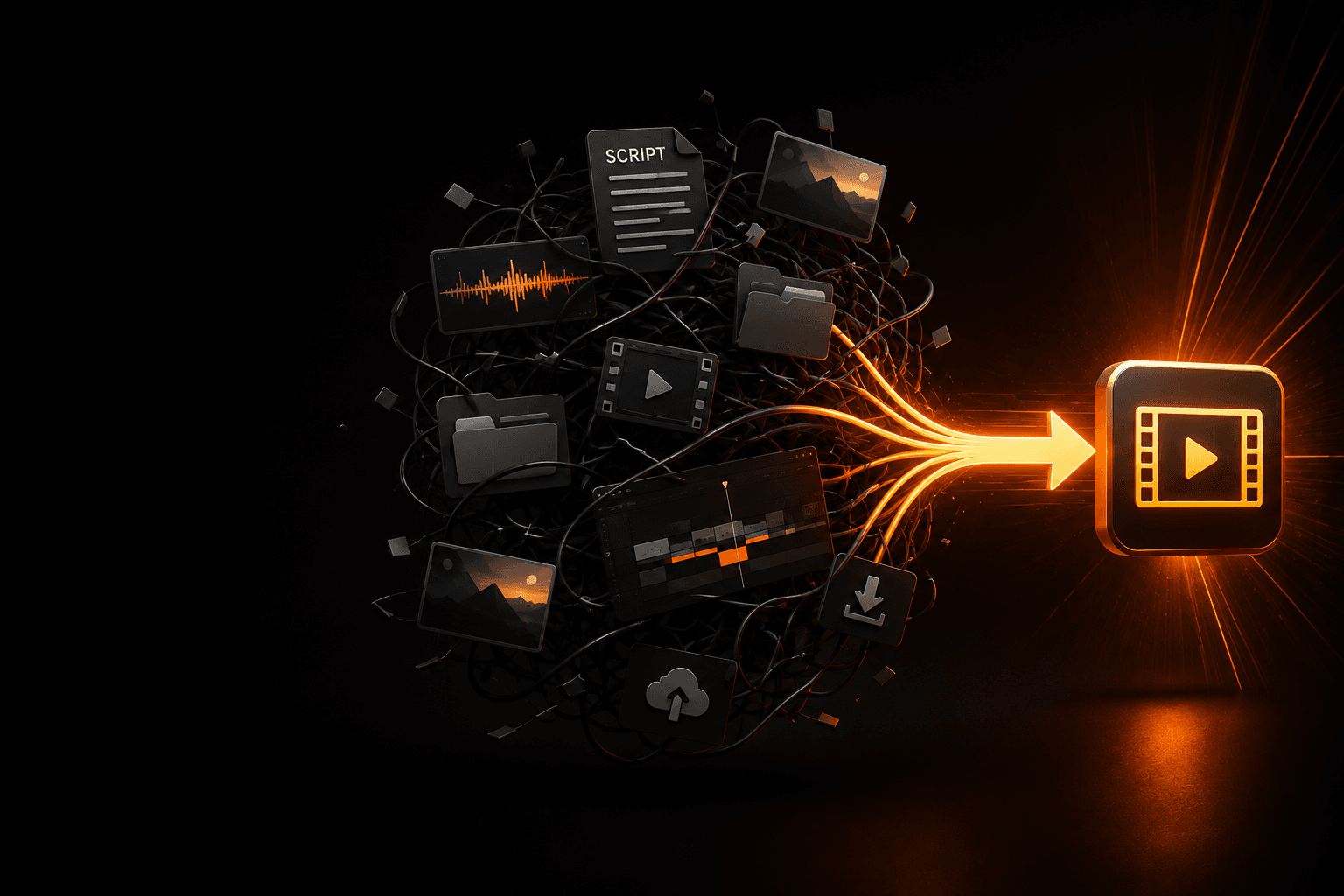
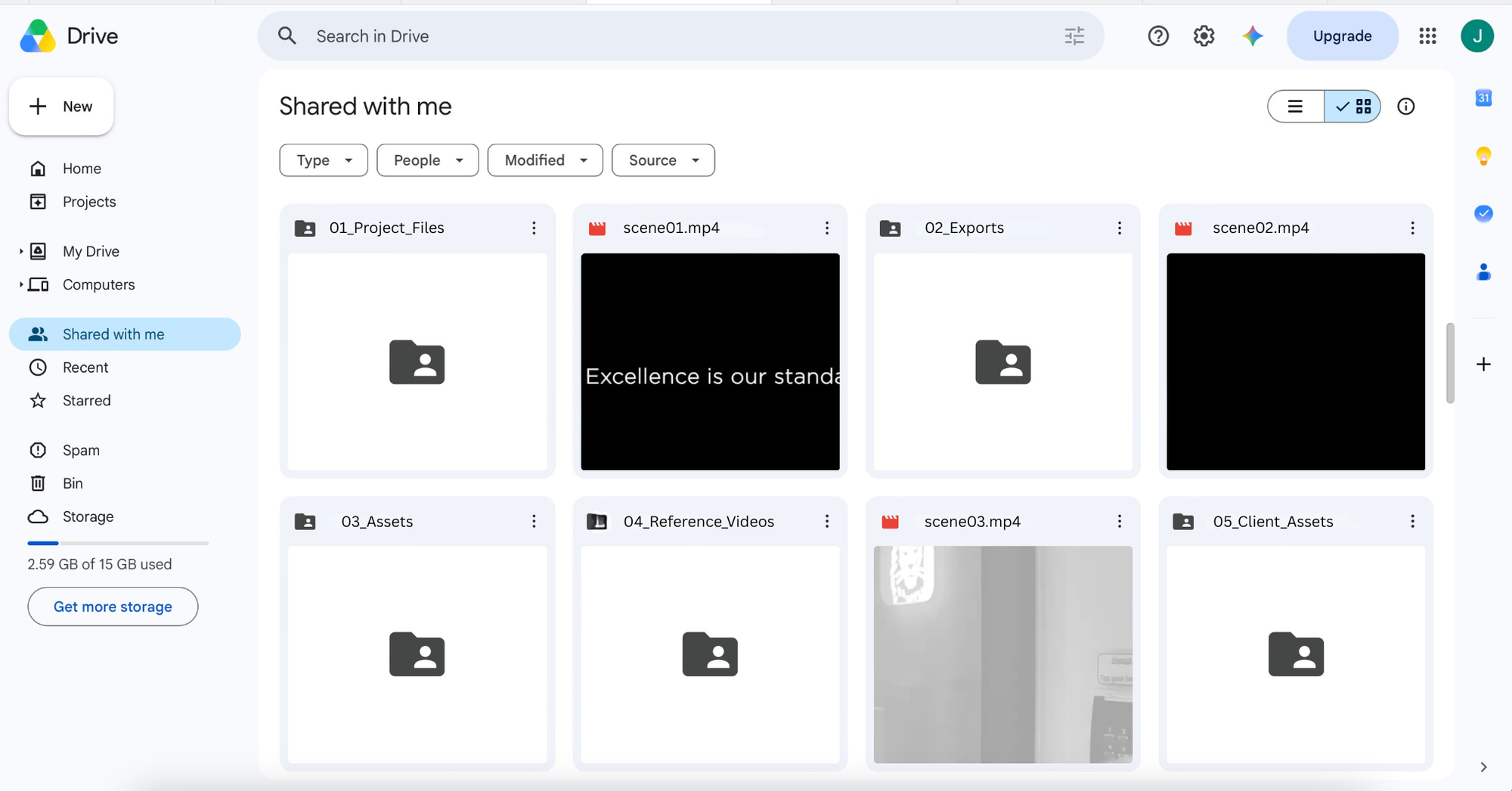
The clips are downloaded, renamed, organized, and finally imported into an editor.
Every tool might perform its individual task exceptionally well.
The challenge is what happens between them.
The Workflow Nobody Measures
Most comparisons between AI video tools focus on generation quality.
- Which model looks more realistic?
- Which creates better motion?
- Which follows prompts more accurately?
- Which renders the fastest?
Those questions matter.
But they only measure one part of the creative process.
Very few discussions focus on how much time creators spend managing the workflow itself.
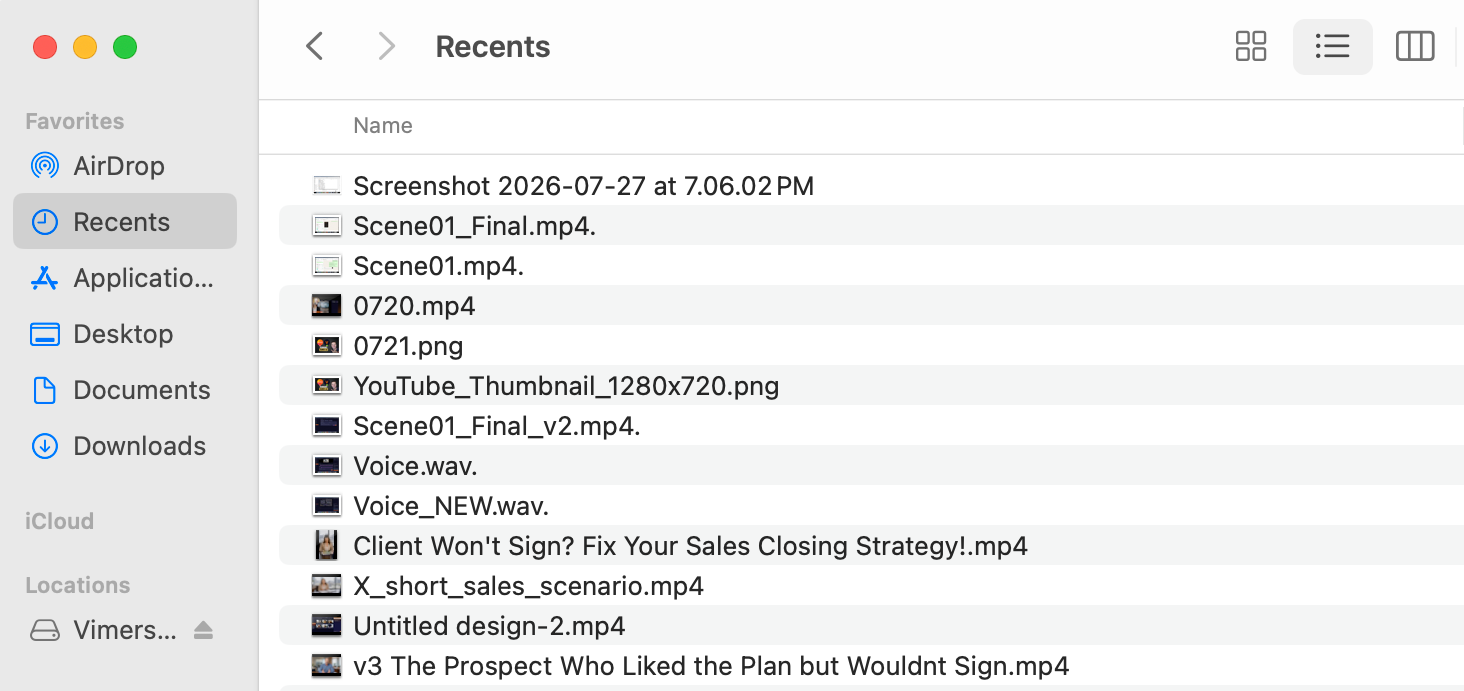
Downloading files.
Uploading files.
Renaming assets.
Searching for the latest version.
Copying prompts between applications.
Keeping track of voiceovers, images, and generated clips.
None of these tasks are difficult.
They're simply repetitive.
And repetition quietly adds up.
Small Interruptions Become Big Delays
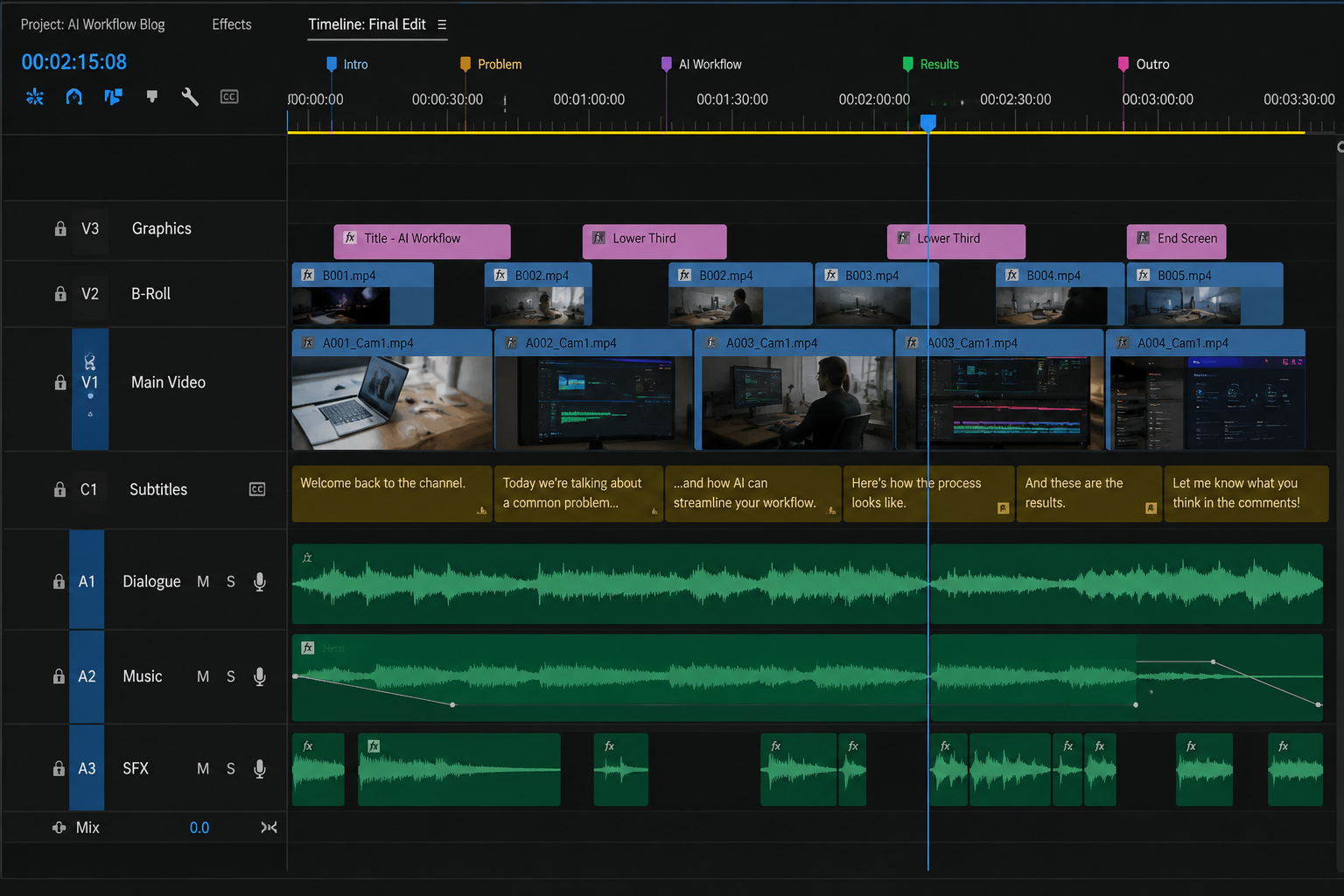
Imagine making a simple change to a script.
Just one sentence.
That single edit can trigger a surprising amount of work.
The narration needs to be regenerated.
The timing changes.
Visual prompts need updating.
New clips need to be generated.
Old assets must be replaced.
The project has to be exported again.
The edit itself might take less than a minute.
The surrounding workflow can take much longer.
When this happens repeatedly across dozens of scenes, the time lost has very little to do with AI generation itself.
Context Switching Has a Cost
There's another hidden expense that rarely appears in discussions about AI video.
Mental context switching.
Every application has its own interface.
Its own settings.
Its own file management.
Its own prompt history.
Its own export options.
Moving between five or six different tools isn't just physically slower.
It forces creators to repeatedly stop thinking creatively and start thinking operationally.
That interruption breaks momentum.
Instead of focusing on storytelling, creators end up managing software.
The Workflow Gets More Complex as Projects Grow
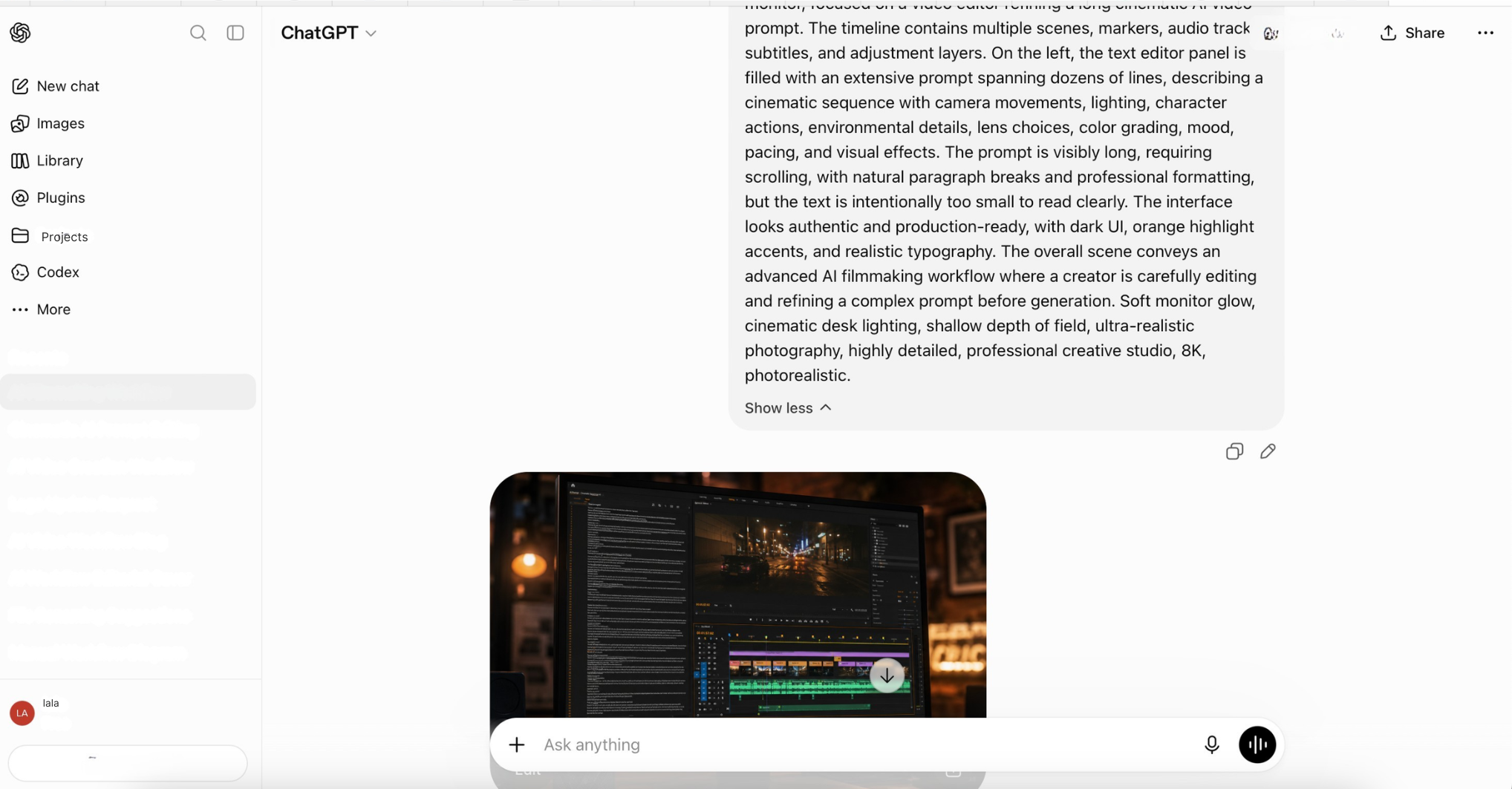
Creating one short clip isn't particularly difficult.
Creating twenty scenes is different.
Longer projects introduce more moving parts.
More voice files.
More prompt variations.
More image generations.
More video clips.
More revisions.
The workflow grows faster than the project itself.
What starts as a simple creative process gradually becomes a file management exercise.
This is why many creators feel busy even when AI models continue getting faster.
The bottleneck has quietly shifted.
Faster Models Don't Always Mean Faster Production
Every new AI release promises better quality and faster rendering.
And those improvements are real.
But saving thirty seconds during generation doesn't necessarily save thirty seconds overall.
If every new asset still needs to be downloaded, organized, uploaded into another application, renamed, and manually synchronized with the rest of the project, much of that speed advantage disappears.
Optimization isn't only about making AI faster.
It's about reducing the number of manual steps surrounding AI.
The Future of AI Video Isn't Just Better Models
The next major improvement in AI video won't necessarily come from another model capable of generating more realistic footage.
It will come from better workflows.
The creators who produce content consistently aren't always the ones using the newest AI model.
They're often the ones who spend less time managing their production process.
The competitive advantage is shifting.
Instead of asking:
Which AI model produces the best video?
A more valuable question might be:
How many manual steps does this workflow eliminate?
That question affects every project, every revision, and every deadline.
Why Connected Workflows Matter
As AI tools continue to specialize, creators gain more creative possibilities.
But specialization also creates fragmentation.
Each tool solves one problem exceptionally well.
Very few solve the transition between problems.
That's where connected workflows become valuable.
Rather than treating script writing, voice generation, visuals, video generation, and exporting as isolated tasks, connected workflows reduce the friction between them.
The goal isn't replacing great AI models.
It's allowing them to work together more efficiently.
Final Thoughts
AI video creation has never been more capable.
Models are producing better visuals, more realistic motion, and increasingly impressive results.
But while generation quality continues to improve, many creators still experience the same frustration.
Not because AI is slow.
Because the workflow surrounding AI hasn't kept pace.
The hidden cost of AI video creation isn't measured in rendering time.
It's measured in interruptions.
Downloads.
Uploads.
Renamed files.
Repeated steps.
Context switching.
Individually, each takes only a moment.
Together, they consume hours.
The next leap in AI video won't come from eliminating creativity.
It will come from eliminating unnecessary workflow.
About Vimerse Studio
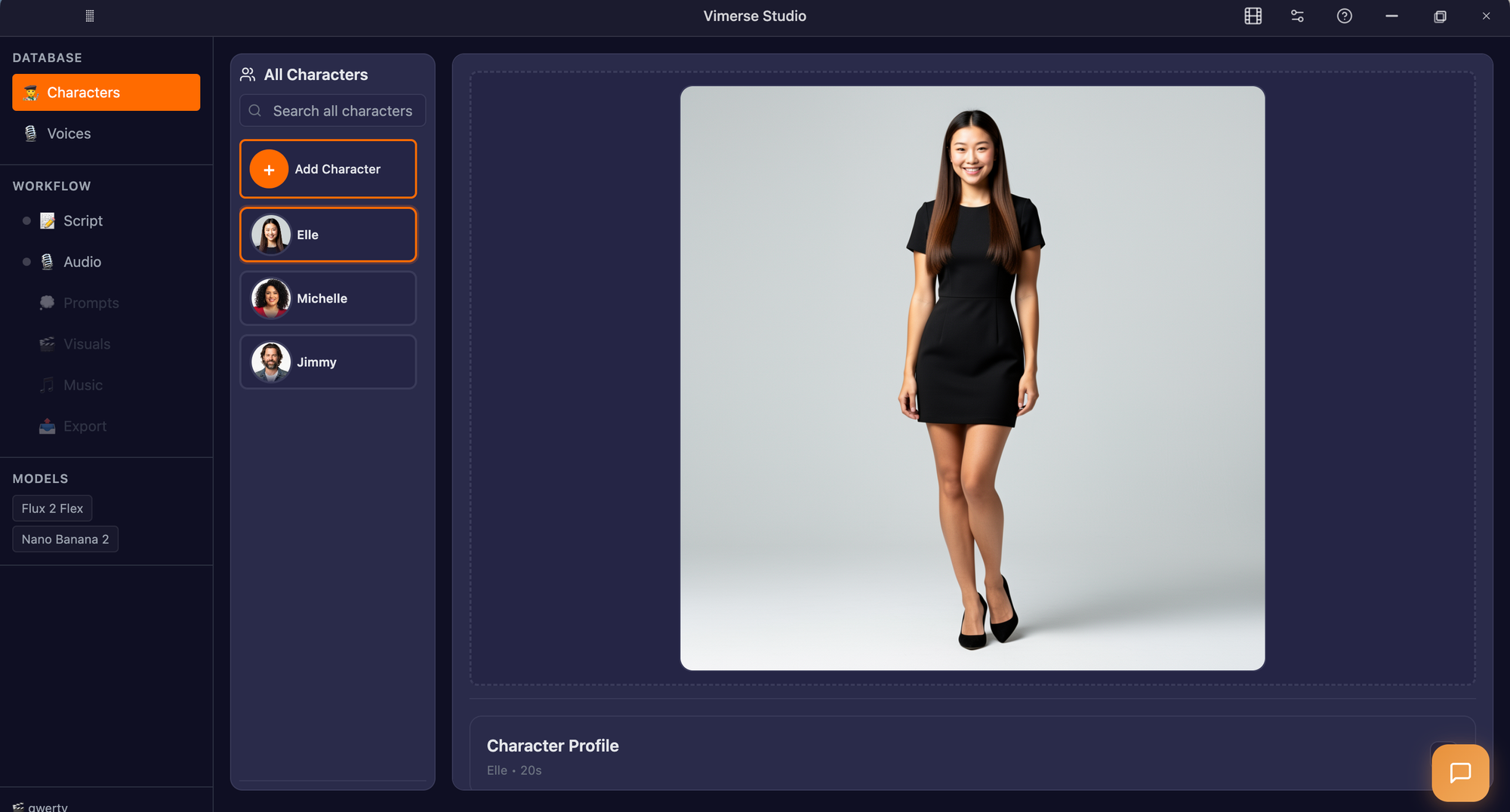
Vimerse Studio was built around a simple idea: creators shouldn't have to spend more time moving work between AI tools than creating with them.
Instead of replacing the best AI models, it helps connect them into a smoother production workflow, reducing repetitive tasks so creators can focus on storytelling, iteration, and output.
Because in modern AI video creation, the biggest opportunity isn't always generating faster.
Sometimes it's getting out of the workflow's way.
Try Vimerse Studio free: https://vimerse.app